Hair Mask Buying Guide: Damage, Texture, and Buildup
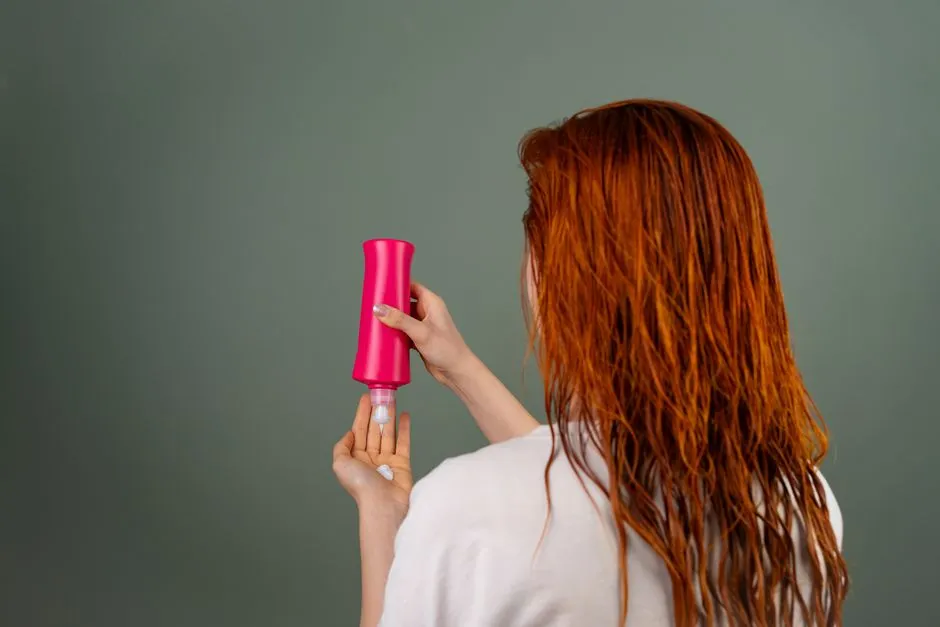
- Best hair-mask types by observable need
- Decide whether the problem is dryness, buildup, breakage, or scalp disease
- Best overall for rough lengths: rich conditioning mask
- Best for fine hair: lightweight rinse-out mask
- Best for some fragile porous hair: protein-containing mask
- Best after repeated chemical or heat exposure: bond-focused treatment
- Best when everything feels coated: clarify, then condition
- Best for scent sensitivity: simple fragrance-free formula
- Read the formula by role
- Use one change for three to five washes
- Treat smoothing chemicals as a separate safety category
Best hair-mask types by observable need
For rough, dry-feeling lengths, choose a conditioning mask built around fatty alcohols, cationic conditioners, oils, or silicones that suit the hair. Fine hair usually needs a lighter rinse-out formula below the roots. Bleached or highly porous hair may benefit from alternating conditioning with a protein- or bond-focused product used exactly as directed.
No mask returns chemically damaged fibre to virgin condition. These category picks compare slip, weight, buildup, chemical history, fragrance, packaging, and directions; they are not product tests or medical advice. Nothing is for sale.
| Best for | Mask type | Why it stands out | Worth knowing |
|---|---|---|---|
| Dry-feeling, tangled lengths | Rich conditioning mask | Adds slip and reduces friction | Can flatten fine or buildup-prone hair |
| Fine or low-density hair | Lightweight rinse-out mask | Easier to distribute without coating roots | May be too light for highly porous ends |
| Bleached or breaking fibre | Protein-containing mask | Can temporarily improve strength and feel | Overuse may leave some hair stiff or rough |
| Chemical and heat history | Bond-focused treatment | Targets specific damaged-bond claims | Mechanisms and evidence differ by product |
| Hard-water or product buildup | Clarify-then-condition routine | Removes deposits before evaluating dryness | Over-cleansing can worsen roughness |
| Sensitive fragrance preferences | Simple fragrance-free formula | Fewer scent exposures and easier troubleshooting | Fragrance-free does not mean allergy-proof |
Decide whether the problem is dryness, buildup, breakage, or scalp disease
Hair that feels rough can be weathered, bleached, heat-damaged, coated with mineral or product deposits, under-conditioned, or reacting to cleansing. Limp hair can be over-applied product, insufficient cleansing, structural damage, humidity, or simply the natural result of a rich formula on fine strands.
Inspect several wash days. Note chemical services, swimming, water hardness, heat frequency, tangling, snapping, stretching, and where the problem sits. Ends need different care from an itchy scalp.
Persistent itch, burning, scale, sores, blistering, pus, or hair loss requires medical assessment. Do not apply a fragranced mask to inflamed skin and wait for the jar to obtain a dermatology licence.
Best overall for rough lengths: rich conditioning mask
Why this type wins
Conditioning formulas commonly use fatty alcohols such as cetyl or cetearyl alcohol, positively charged conditioning agents, silicones, oils, and film-forming ingredients to improve lubrication, reduce static, and smooth the fibre surface.
Apply to shampooed hair in sections, focusing on mid-lengths and ends unless the label permits scalp use. Use the stated amount and timing, then rinse thoroughly. Detangle gently while the formula supplies slip if the instructions and hair texture support it.
Worth knowing
Rich formulas can leave fine, low-density, or easily coated hair flat and greasy. Oils and butters on the label do not predict the whole formula’s weight. Start with less product and shorter frequency. If hair worsens after several uses, cleanse appropriately and reassess rather than doubling the mask in a show of leadership.
Best for fine hair: lightweight rinse-out mask
Why this type works
A lighter conditioner-mask hybrid can add slip without burying strands under heavy butter or oil. Look for clear use directions, short processing time, and a formula intended for frequent rinse-out care.
Keep it below the roots unless the scalp and label permit otherwise. Emulsify a small amount between palms, distribute through sections, and add only where the hair still feels rough.
Worth knowing
“Lightweight” has no standard definition. A formula can use sophisticated conditioning polymers and still feel heavy on one head, while a butter-containing product may rinse cleanly on another. Trial the smallest size when possible and change one variable at a time.
Best for some fragile porous hair: protein-containing mask
Why this type can work
Hydrolysed proteins and amino-acid ingredients can form films or interact with damaged areas, temporarily improving feel, body, or resistance for some chemically processed and porous hair. Results depend on protein type, molecular size, formula, concentration, and the fibre.
Follow timing and frequency exactly. Alternate with an ordinary conditioning formula rather than stacking multiple protein products unknowingly. Track whether wet hair feels more resilient and dry hair tangles less.
Worth knowing
Protein is not a universal diagnosis. Some hair becomes stiff, rough, brittle-feeling, or difficult to style with frequent protein-containing products. Stop or reduce if breakage or feel worsens. Severe breakage after bleaching or relaxing needs a qualified stylist or dermatologist, not a higher-protein scavenger hunt.
Best after repeated chemical or heat exposure: bond-focused treatment
Why this type can work
“Bond repair” covers different ingredients and mechanisms. Some products target disulfide-bond chemistry; others create films, ionic interactions, or general conditioning while using similar language. A well-documented treatment can be useful as part of damage management.
Look for a named active technology, manufacturer directions, credible supporting evidence for the finished product, and a clear distinction between use before, during, or after chemical service.
Worth knowing
No bond product makes overlapping bleach, relaxer, perm, dye, and high heat harmless. Bleaching oxidises pigment and can damage cuticle and protein. Results are partial and cosmetic or structural within defined limits, not resurrection of virgin fibre.
Before another chemical service, request a strand test and disclose the full history, including home colour, metallic-salt dyes, henna or compound products, relaxers, perms, and smoothing treatments. Patch-test colour exactly as the manufacturer directs, even if it was used previously; allergy can develop over time.
Stop and rinse for burning or severe irritation according to instructions. Swelling of lips, mouth, throat, or tongue or breathing difficulty is an emergency.
Best when everything feels coated: clarify, then condition
Why this routine works
Minerals, styling polymers, oils, dry shampoo, and conditioning residue can make hair dull, sticky, stiff, or resistant to water. Applying another rich mask may deepen the coating. An appropriate clarifying or chelating shampoo used at the labelled frequency can reset the evaluation, followed by a simple conditioner.
Hard-water deposits and product buildup are different problems, and not every clarifier removes minerals. Look for the product’s stated purpose and follow timing.
Worth knowing
Strong or frequent cleansing can strip lubrication, fade colour, irritate scalp, and increase tangling. Do not use household acids, baking soda, or dish detergent as improvised chemistry. Ask a stylist or dermatologist when buildup accompanies scalp symptoms, breakage, or unusual shedding.
Best for scent sensitivity: simple fragrance-free formula
Why this type works
A fragrance-free product removes intentional perfume from the troubleshooting list and can reduce scent exposure. Choose a short, comprehensible use case rather than assuming “clean” or “natural” means non-irritating.
Patch testing a rinse-out cosmetic on a small area may help only when the product directs it; a dermatologist can advise after reactions.
Worth knowing
Fragrance-free is not allergy-proof. Preservatives, botanicals, surfactants, and other ingredients can still irritate or trigger allergy. Unscented may include masking fragrance depending on labelling rules. Stop for burning, rash, swelling, or blistering and seek appropriate care.
Read the formula by role
The first ingredients usually include water and conditioning base. Fatty alcohols provide texture and conditioning; they are not the same as drying ethanol. Cationic conditioners improve slip. Silicones can reduce friction and smooth but may feel heavy. Oils and butters affect feel according to the complete emulsion.
Claims such as “chemical-free,” “toxin-free,” and “repairs 100 percent” are not useful without definitions and evidence. Water is a chemical; damaged fibre is not negotiating with the marketing department.
Packaging matters. A pump limits hand contamination but may leave product behind. A jar is easy to empty but needs clean dry hands or a spatula. Check period-after-opening or expiry information and protect from shower water.
Use one change for three to five washes
Unless the label specifies less frequent use, trial a mask long enough to separate one result from a lucky styling day. Keep shampoo, heat, and styling roughly consistent. Record wet slip, detangling, dry feel, volume, residue, and breakage.
Do not exceed timing because “more repair” sounds efficient. Rinse-out products are designed for a defined exposure. Overnight use can irritate skin, transfer to eyes, increase wet friction, and provide no extra benefit.
Use the best brush type for gentle detangling and control dryer heat rather than asking a mask to compensate for aggressive technique. Apply heat protectant according to the label, but remember protection is partial.
Treat smoothing chemicals as a separate safety category
OSHA warns that some hair-smoothing products can contain or release formaldehyde when heated, including products marketed as formaldehyde-free. A conditioning mask is not a smoothing chemical service, and “keratin” on the front does not tell you which process is inside.
For a chemical smoothing treatment, review the ingredient label and safety data, ventilation, worker protections, heat steps, and regulatory guidance. Do not perform professional-use chemical services in an unventilated home. Eye, nose, throat, breathing, or skin symptoms are reasons to stop exposure and seek care.
The best mask improves manageability without pretending damage never happened. Choose by observed problem, use the formula as directed, and reduce the process causing repeated harm. Hair can feel excellent without the jar claiming it has travelled back in time.